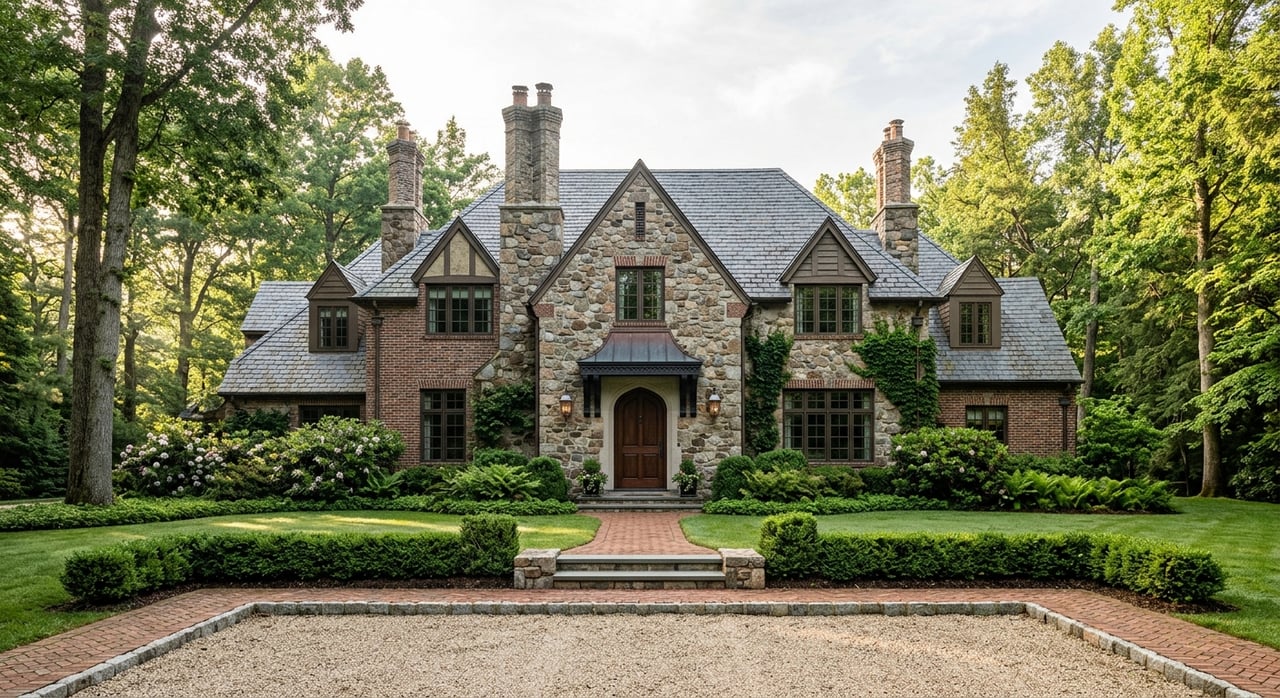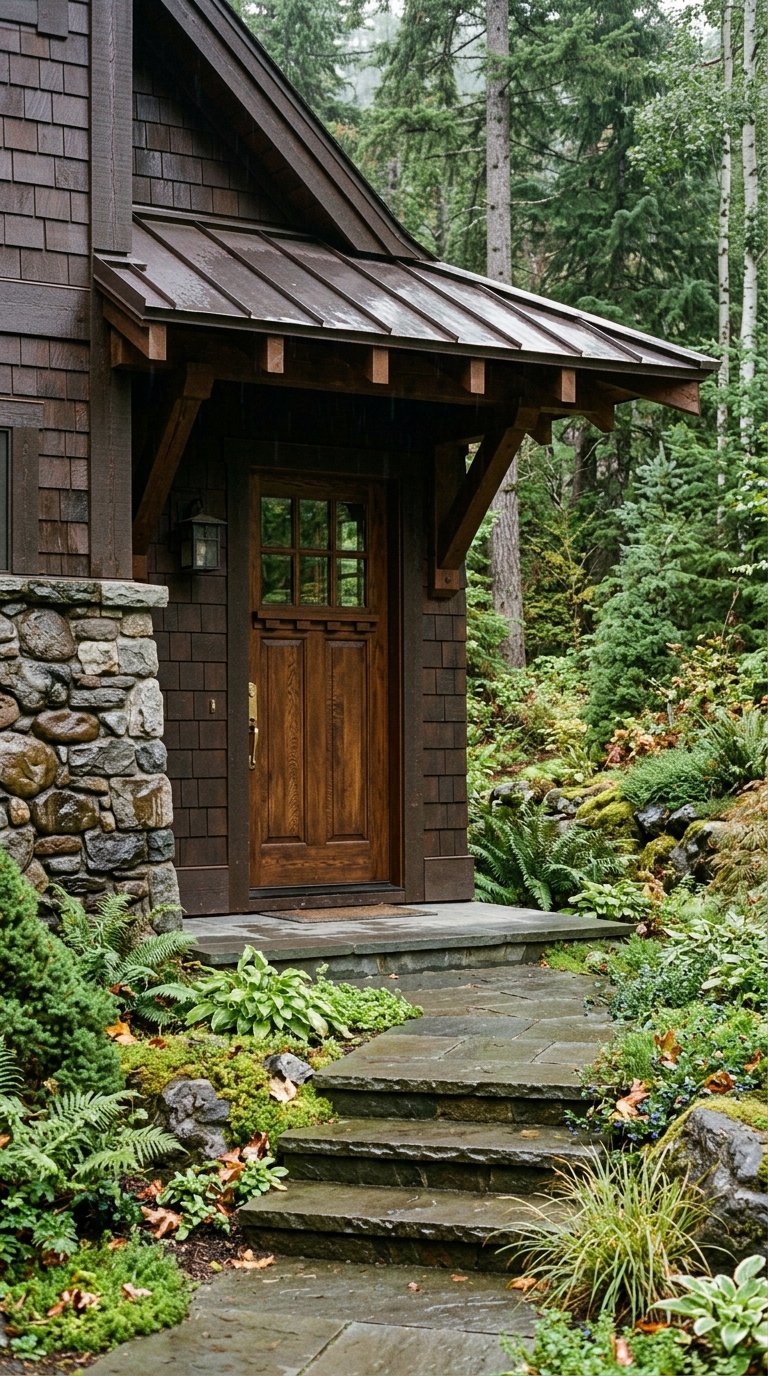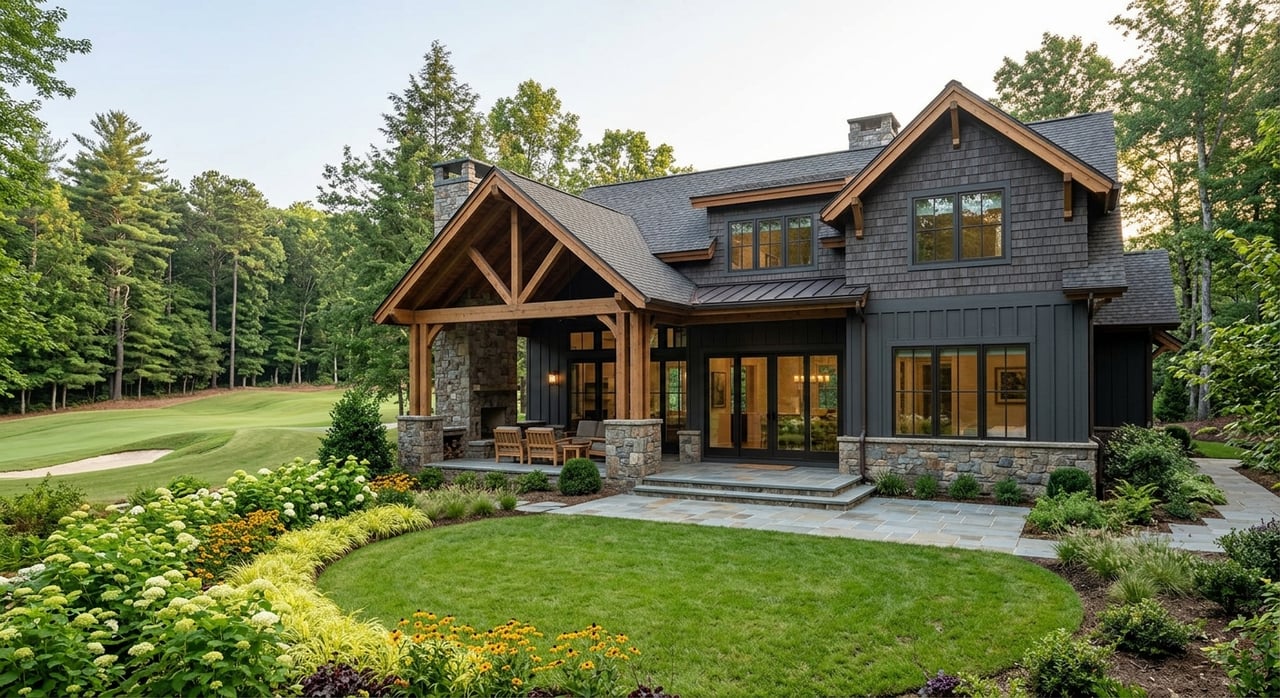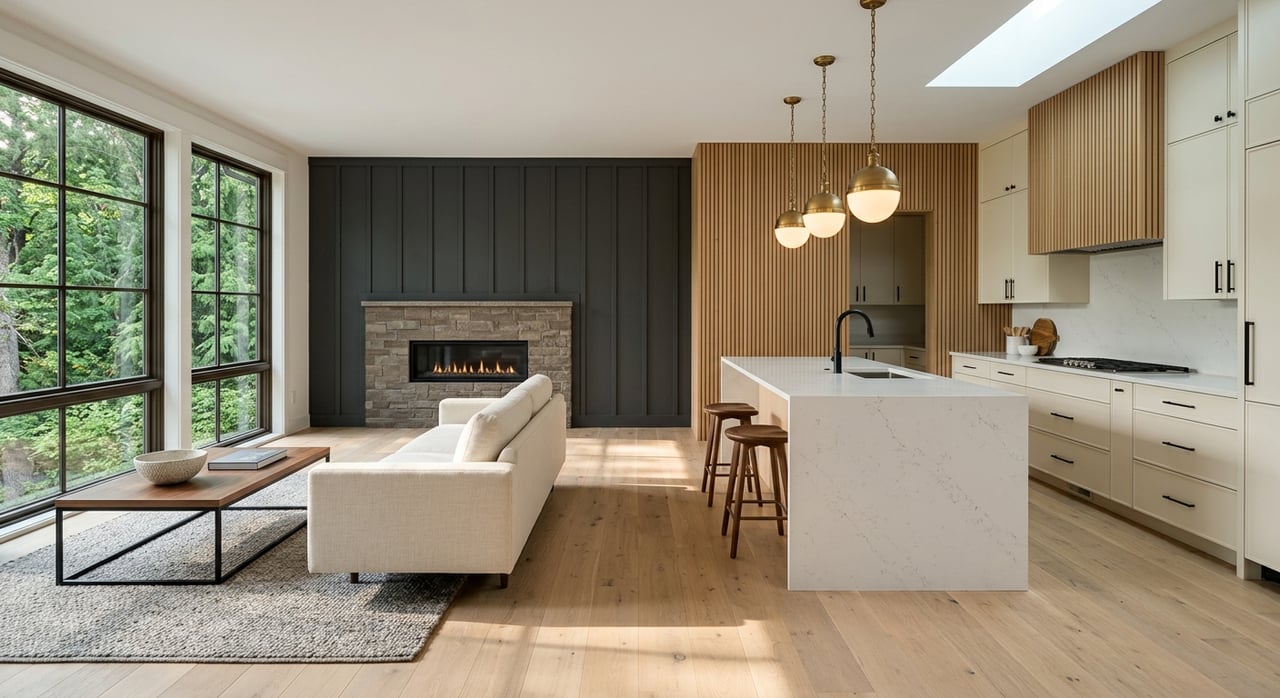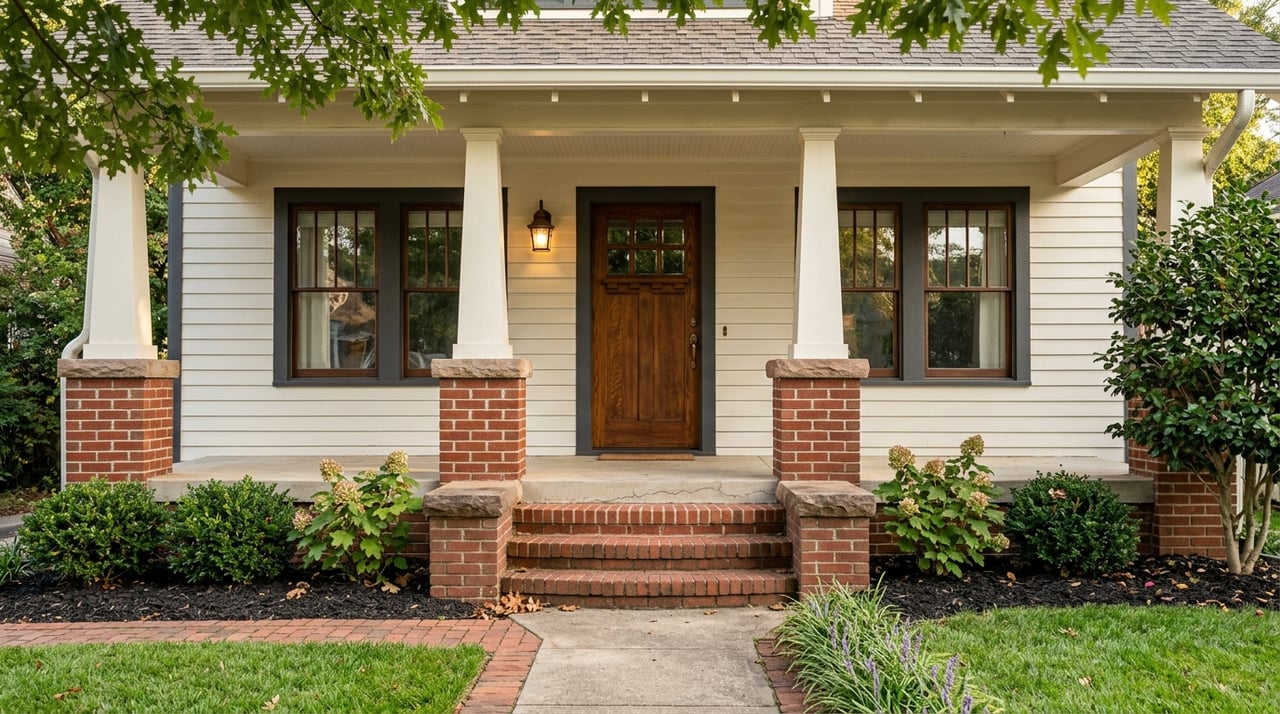
Wondering how to price your Dilworth bungalow without leaving money on the table or watching it sit? In a neighborhood where historic character, walkability, and lot utility can shift value fast, pricing is rarely as simple as pulling the 28203 average. If you want to attract serious buyers and protect your leverage, you need a pricing strategy built around Dilworth itself. Let’s dive in.
Price Dilworth, Not Just 28203
One of the biggest mistakes sellers make is leaning too heavily on broad zip-code data. In Dilworth Historic District, the market behaves differently than 28203 as a whole.
As of February 2026, Redfin reports a median sale price of $1.35M in Dilworth Historic District, compared with $717,500 for the broader 28203 zip code. Median price per square foot also shows a major gap, at $751 in Dilworth versus $421 across the zip. That tells you something important: a bungalow in Dilworth should be priced from Dilworth comps first, not from the zip-code median alone.
Dilworth also shows stronger deal terms. The neighborhood sale-to-list ratio is 99.0%, and 33.3% of homes sell above list, while 28203 overall sits at 97.0% sale-to-list with 10.5% above-list sales. Buyers clearly recognize the neighborhood premium, but they still compare carefully.
Know What Buyers Are Paying For
In Dilworth, buyers are not paying for a label alone. They are paying for a specific mix of location, condition, historic character, and day-to-day usability.
Recent sales show how wide the range can be. According to recent Dilworth sales data, a 1905 bungalow at 521 E Worthington Ave sold for $800,000 in August 2025 at 1,218 square feet. A fully renovated bungalow at 2224 Sarah Marks Ave sold for $1.4205M in December 2025 at 2,054 square feet, while 1709 Springdale Ave, a 1925 bungalow with 2,936 square feet, a 0.30-acre lot, and a new 2-car garage, sold for $1.695M in February 2025.
Those numbers show why pricing by age alone does not work. Two bungalows in the same neighborhood can land far apart depending on square footage, finish level, lot size, parking, and how complete the renovation feels to a buyer.
Size and layout matter
Buyers usually notice total square footage first, but usable space matters just as much. A bungalow with an efficient layout, updated kitchen and baths, and flexible living areas can compete better than a larger home with awkward flow.
When you price, you should compare your home to properties with a similar footprint and overall function. A finished, well-integrated expansion often competes differently than a home with mostly original sizing and systems.
Lot and parking carry weight
Lot size and parking can materially affect value in Dilworth. Recent sales support premiums for larger lots and garages, and local parking pressure adds another layer.
Dilworth is part of the city’s residential parking-permit pilot, which reflects demand and congestion tied to nearby South End and Uptown activity. If your bungalow offers off-street parking, alley access, a garage, or a more private yard, those features may support a stronger list price than a similar home without them.
Walkability adds real value
Walkability is not just a lifestyle perk in Dilworth. It is part of the pricing equation.
Walk Score rates Dilworth at 78 and identifies it as Charlotte’s fifth most walkable neighborhood, with a 44 Transit Score and 61 Bike Score. The research in your pricing story is simple: buyers often pay a premium for convenience, and Dilworth’s ability to connect residents to nearby dining, retail, and daily needs helps support that premium.
Historic Character Changes the Pricing Conversation
Dilworth is not just an older neighborhood. It is a local historic district, and that matters when buyers evaluate your home.
The City of Charlotte notes that Dilworth was Charlotte’s first suburb and became a local historic district in 1983, with expansion in 1992. The city also requires Historic District Commission approval and a Certificate of Appropriateness before construction begins on exterior changes in the district.
That creates a different value story than you would have in a typical non-historic area. Buyers often place more weight on preserved original porches, millwork, façade details, and well-documented exterior updates because those elements are part of what makes the property feel authentic to the neighborhood.
Renovation quality matters more than renovation volume
Not every update adds value in the same way. In Dilworth, a tasteful renovation that respects the home’s historic character may be more compelling than a generic modern overhaul.
If you have made exterior changes, buyers may also want clarity around approvals and scope. A strong pricing position often comes from being able to explain what was preserved, what was updated, and what was properly documented.
Avoid the Overpricing Trap
It is tempting to aim high and “leave room to negotiate.” In today’s market, that strategy can backfire.
The same Dilworth market data shows that unrealistic pricing can lead to long market times and larger discounts. A home at 2029 Charlotte Dr closed in February 2026 for $1.125M after 203 days on market and 6% under list, while 1239 Belgrave Pl closed 8% under list after 54 days.
That is the warning sign for sellers. Unless your bungalow is truly turnkey and stands out for lot, block, parking, and finish level, a modest optimism premium is usually safer than chasing the absolute top of the range.
Build a Defensible List Price
The best list price is not the highest number you can justify in a conversation. It is the number that makes sense to buyers the moment they compare your home to the last few similar sales.
A practical approach is to start with the most recent sold comparables from the same micro-area of Dilworth, then adjust for:
- Square footage
- Lot size
- Garage or off-street parking
- Renovation quality
- Historic detail and preservation
- Block location
- Outdoor usability
This is especially important because Mecklenburg County is active, but not as frenzied as peak years. February 2026 county data showed a median sales price of $440,500, 2.5 months of supply, 95.4% of original list price received, and 68 days on market, according to the 28203 market report. That points to a market where well-priced homes can still perform, but buyers have room to be selective.
Tell a Clear Pricing Story
In a neighborhood like Dilworth, price works best when it comes with a narrative buyers can understand. That narrative should answer a few basic questions quickly.
What has been preserved?
If your bungalow retains original architectural details, that should be part of the pricing case. Historic charm is one of Dilworth’s defining draws, and it helps buyers understand why one bungalow commands a premium over another.
What has been updated?
A buyer will want to know whether the systems, kitchen, baths, and exterior elements have been improved. The more cohesive and documented those updates feel, the easier it is to support your asking price.
How does the home live today?
Buyers are also measuring convenience. Walkability, parking, storage, yard use, and layout all affect how your bungalow competes with nearby listings.
A Smart Pricing Mindset for Sellers
If you are preparing to sell, think of pricing as your first marketing decision. It shapes who shows up, how much leverage you keep, and whether your home feels like an opportunity or a question mark.
In Dilworth, the strongest strategy is usually grounded in the last 3 to 6 truly comparable sales, adjusted with discipline for your home’s actual features. That is how you position your bungalow to attract serious interest without setting yourself up for price cuts later.
If you want a pricing strategy that reflects your home’s character, updates, and place within the Dilworth market, connect with Shaun Collyer for a confidential conversation and complimentary home valuation.
FAQs
How should you price a Dilworth bungalow compared with other 28203 homes?
- You should start with recent Dilworth sold comps, not the broader 28203 median, because Dilworth Historic District has materially higher sale prices and price per square foot than the zip code overall.
Should you price your Dilworth bungalow at the top of the market range?
- You should only price at the top of the range if your home is truly turnkey and stands out for condition, lot, parking, and block location, since recent Dilworth sales show overpricing can lead to longer market time and deeper discounts.
Do walkability and parking affect Dilworth bungalow pricing?
- Yes, walkability and parking can both influence value in Dilworth, especially since the neighborhood has strong walkability and local parking pressure that can make off-street parking or a garage more appealing to buyers.
Does historic district status affect how a Dilworth bungalow should be priced?
- Yes, historic district status can affect pricing because buyers often value preserved original details and documented exterior improvements in a neighborhood where changes require Historic District Commission approval.
Should you renovate a Dilworth bungalow before listing it for sale?
- It depends on the home’s current condition and the likely return, but in Dilworth, thoughtful updates and well-preserved character usually support value better than broad changes that do not fit the home or the neighborhood context.