Thinking about buying a historic home in Dilworth? It is easy to fall for the front porch, mature trees, and classic architecture. What is harder to see at first glance is what it may take to renovate that home once the keys are in your hand. If you are weighing charm against cost, this guide will help you understand the rules, risks, and smart next steps before you buy. Let’s dive in.
Why Dilworth Homes Stand Out
Dilworth feels different because it was built to be different. According to the City of Charlotte’s historic district information, Dilworth began in the 1890s as Charlotte’s first suburb and was linked to downtown by the city’s first electric streetcar.
That history still shapes what you see today. The city notes that Dilworth became a local historic district in 1983, expanded in 1992, and was listed in the National Register of Historic Places in 1987. Its appeal is not just the homes themselves, but also the streetscape, curving roads, and mature tree canopy that give the area its character.
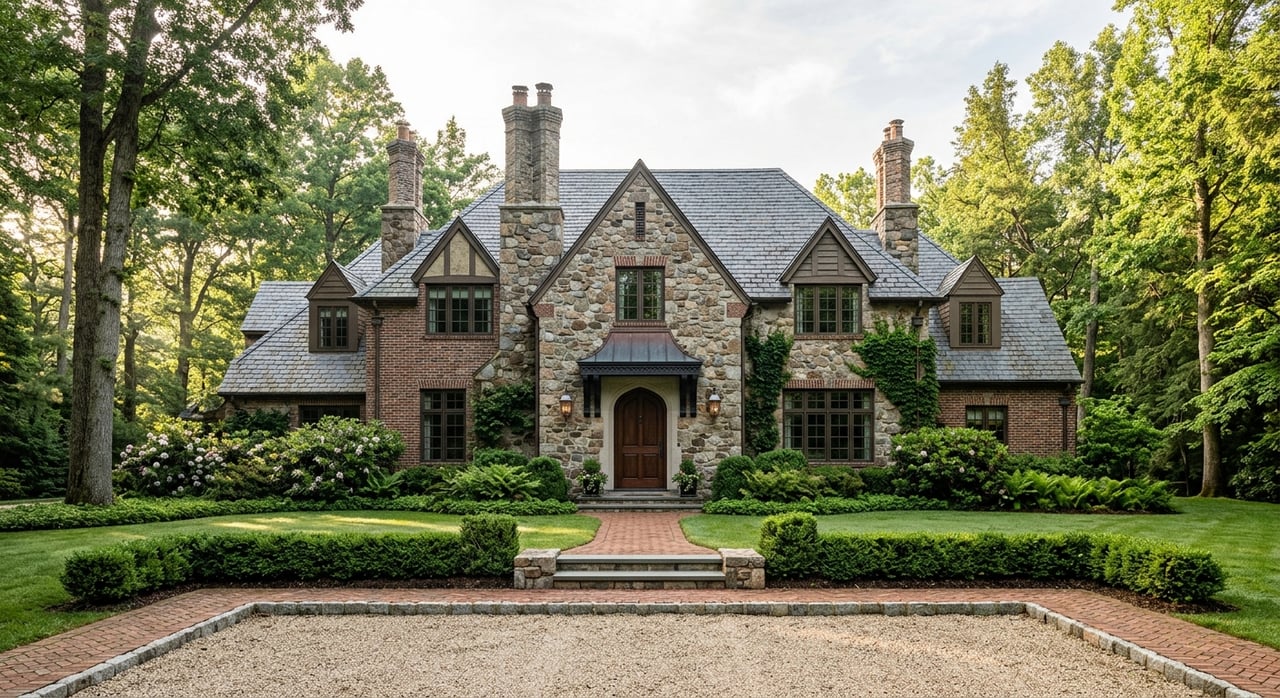
Dilworth is also more architecturally varied than many buyers expect. The city’s historic district design standards identify styles that include late Victorian, Colonial Revival, Bungalow/Craftsman, Picturesque Cottage, and Tudor Revival.
Historic Charm Comes With Rules
If you plan to renovate, one of the biggest realities to understand is that local historic district rules apply to many exterior changes. In Charlotte’s local historic districts, you may need a Certificate of Appropriateness before exterior work begins.
That requirement can cover more than buyers expect. The city says exterior alterations, restoration, new construction, moving, demolition, landscaping, site work, and sometimes tree removal may require approval. Even some smaller projects, such as fencing or driveways, can fall into the review process.
This matters because approval is separate from a building permit. Charlotte states that a COA may be required before construction begins even if a building permit is not. In other words, getting permit-ready does not automatically mean you are historic-review ready.
What Usually Does Not Need Approval
Not every repair triggers review. Charlotte notes that normal repair and maintenance, such as re-roofing with in-kind materials, generally does not require approval.
That said, the details matter. If you are changing materials, altering visible features, or expanding the footprint, you should expect closer review.
National Register vs. Local District
This is a point that often causes confusion. The National Park Service explains that National Register listing does not place restrictions on what a non-federal owner may do with private property.
Local historic district status is what creates Charlotte’s exterior review requirements. So if you are buying in Dilworth, the local district designation is the rule set that will affect renovation planning the most.
Renovation Surprises Buyers Should Expect
Older homes rarely come with just one project. More often, they come with layers of updates, maintenance items, and hidden conditions that appear over time.
That is backed by national data. The U.S. Census Bureau reports that owners of homes built before 1950 spent a median of $1,800 a year on upkeep, while new owners of older homes spent about $3,900 a year compared with $1,500 for longtime owners.
For Dilworth buyers, that matters because many homes in the neighborhood date from the 1890s through the 1920s. Age does not mean a home is poorly maintained, but it does mean you should budget with more caution and expect a higher chance of system upgrades after closing.
Common Trouble Spots in Older Homes
The Census Bureau found that common older-home projects include:
- Plumbing fixtures
- Flooring
- Drywall, paneling, or ceiling tiles
- Water heaters
- Windows and doors
- Roofs
- Porches, decks, and patios
In Dilworth, that makes your pre-offer due diligence especially important around windows, roof condition, plumbing, and exterior trim.
Windows Can Be a Major Decision
Historic windows often become one of the biggest renovation discussions in older homes. They affect appearance, energy performance, maintenance costs, and historic review.
The National Park Service’s window guidance says deteriorated historic features should be repaired rather than replaced when possible. It also notes that energy performance or code concerns alone are not, by themselves, reasons to replace historic windows.
That can surprise buyers who assume replacement is the easy answer. In many cases, storms and weatherstripping may improve performance while preserving the original look and material.
Lead Paint and Asbestos Matter
If the home was built before 1978, lead-based paint should be part of your renovation planning. The EPA states that older homes are more likely to contain lead-based paint, including 87% of homes built before 1940.
The agency also says renovations, repairs, and painting in pre-1978 homes can create hazardous dust, and paid contractors must follow lead-safe rules. That can affect both your timeline and your contractor selection.
Asbestos can also be part of the picture in older materials. The Consumer Product Safety Commission notes it may be found in roofing and siding, pipe and furnace insulation, textured paint, and some flooring products.
The key issue is disturbance. Materials that are damaged or disrupted during repairs can create added risk and cost, so it is wise to ask targeted questions before you close.
Smart Questions to Ask Before You Buy
A historic home purchase usually goes better when you investigate renovation issues early, not after inspection deadlines pass. A few specific questions can help you understand what you are really buying.
Is the Home in the Local Historic District?
Confirm whether the property is inside Charlotte’s local historic district boundaries. If it is, exterior work may be subject to the city’s review process.
Were Prior Exterior Changes Approved?
Ask whether there are prior COAs or documented exterior changes. If past work was completed, you want to understand whether it aligned with local requirements.
What Original Materials Are Still There?
Try to identify what is original versus updated. Windows, exterior trim, porches, roofing materials, and visible architectural details can all affect future renovation options and costs.
Which Systems Have Already Been Updated?
You will want a clear sense of plumbing, water heater age, roofing condition, and other major systems. Older homes can work beautifully, but deferred maintenance can shift your budget quickly.
Are There Lead or Asbestos Concerns?
If the home is older, ask whether there has been any testing, remediation, or contractor documentation related to lead-safe work or asbestos-containing materials.
Does the Property Have Landmark Status?
This is different from simply being in a historic district. Mecklenburg County’s historic property tax deferral program applies to local historic landmarks, not just properties within the district.
What About Tax Credits or Savings?
Buyers sometimes assume any historic home comes with automatic tax perks. In reality, the details are narrower than many expect.
Mecklenburg County states that qualifying landmark properties may receive city and county tax deferral of up to 50% of assessed value, with a filing window of January 1 through January 31. That benefit applies to qualifying landmark properties, not simply to every home in Dilworth’s historic district.
At the state and federal level, tax credits also have limits. North Carolina’s historic rehabilitation tax credit information includes credits for income-producing and nonincome-producing historic structures, while the federal 20% credit applies only to income-producing properties and not to a private owner-occupied residence.
How Renovation Can Affect Future Value
Many buyers want a simple answer here, but the reality is mixed. A 2025 study published on ScienceDirect found higher prices after National Register listing, but lower prices after local district designation once overlap was accounted for.
The same study also found more permitted renovations and less new construction and subdivision in local districts. That points to a practical takeaway for Dilworth: value is often tied not just to the home, but to how well the neighborhood’s historic character is preserved over time.
For your own renovation plans, the safest long-term approach is usually to retain defining features and use compatible materials when possible. That aligns with the Secretary of the Interior’s Standards for Rehabilitation, Charlotte’s review process, and preservation guidance that favors repair over unnecessary replacement.
A Realistic Budgeting Mindset
The biggest mistake many buyers make is planning only for the project they can see. Historic homes often reveal additional costs once walls open, old materials are disturbed, or previous repairs are uncovered.
That is why a conservative budget matters. The Census data showing higher upkeep costs for new owners of older homes supports building in a healthy contingency, especially if your renovation involves exterior work, original windows, older plumbing, or pre-1978 surfaces.
If you love Dilworth for its architecture and setting, that planning is not a reason to walk away. It is simply part of buying with clear eyes.
Buying a historic home in Dilworth can be incredibly rewarding when you understand the tradeoffs before you commit. The homes offer character, craftsmanship, and a setting that newer construction cannot easily replicate, but renovation success usually comes down to preparation, patience, and the right guidance. If you want a thoughtful, detail-oriented perspective before you buy, connect with Shaun Collyer for a personalized conversation.
FAQs
What makes Dilworth historic in Charlotte?
- Dilworth is Charlotte’s first suburb, founded in the 1890s, and it is recognized as both a local historic district and a National Register historic district by the City of Charlotte.
What is a Certificate of Appropriateness for a Dilworth home?
- A Certificate of Appropriateness is Charlotte’s required approval for many types of exterior work in a local historic district before construction begins.
Do all exterior repairs on a Dilworth historic home need approval?
- No. Charlotte says normal repair and maintenance, such as re-roofing with in-kind materials, generally does not require approval.
Does National Register status restrict renovations on a Dilworth home?
- No. The National Park Service says National Register listing alone does not restrict what a private owner may do with private property.
Are older Dilworth homes more expensive to maintain?
- Often, yes. Census Bureau data show that owners, especially new owners, of older homes tend to spend more on upkeep than owners of newer homes.
Should buyers worry about lead paint in Dilworth homes?
- If the home was built before 1978, lead-based paint should be considered during renovation planning because repairs and painting can create hazardous dust.
Can a Dilworth homeowner get a historic tax break in Mecklenburg County?
- Possibly, but only if the property qualifies as a local historic landmark, since district location alone does not qualify a home for the county’s historic property tax deferral program.