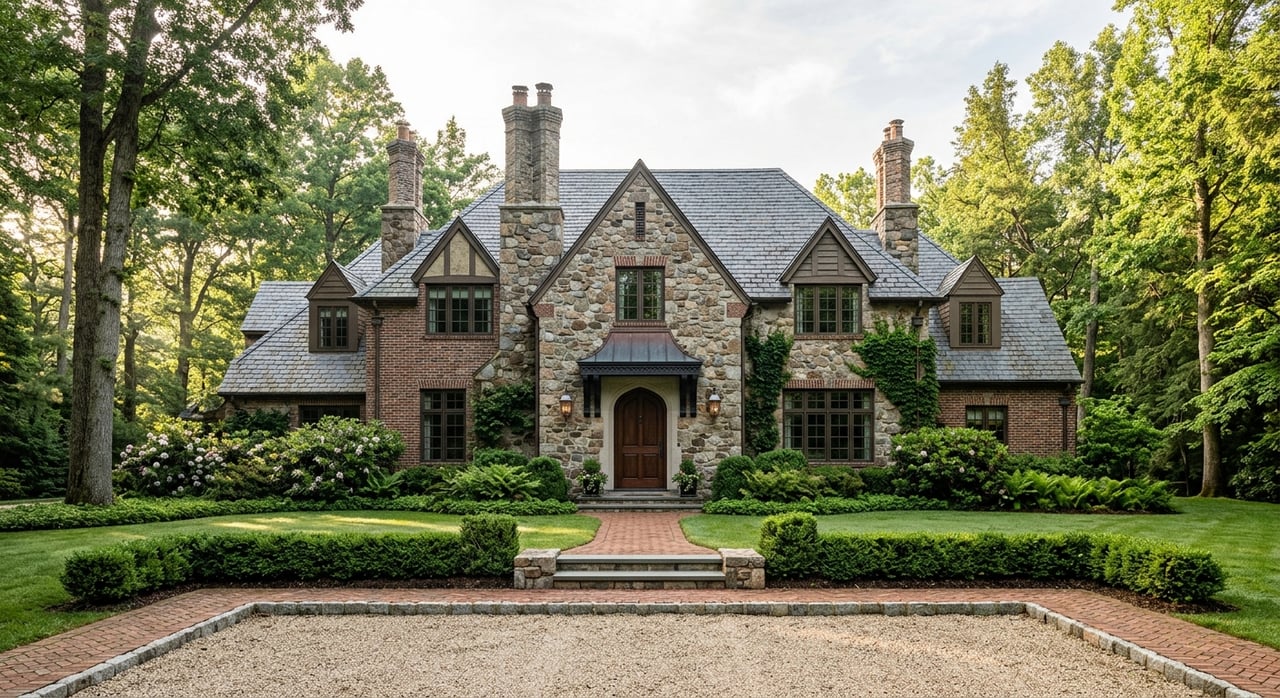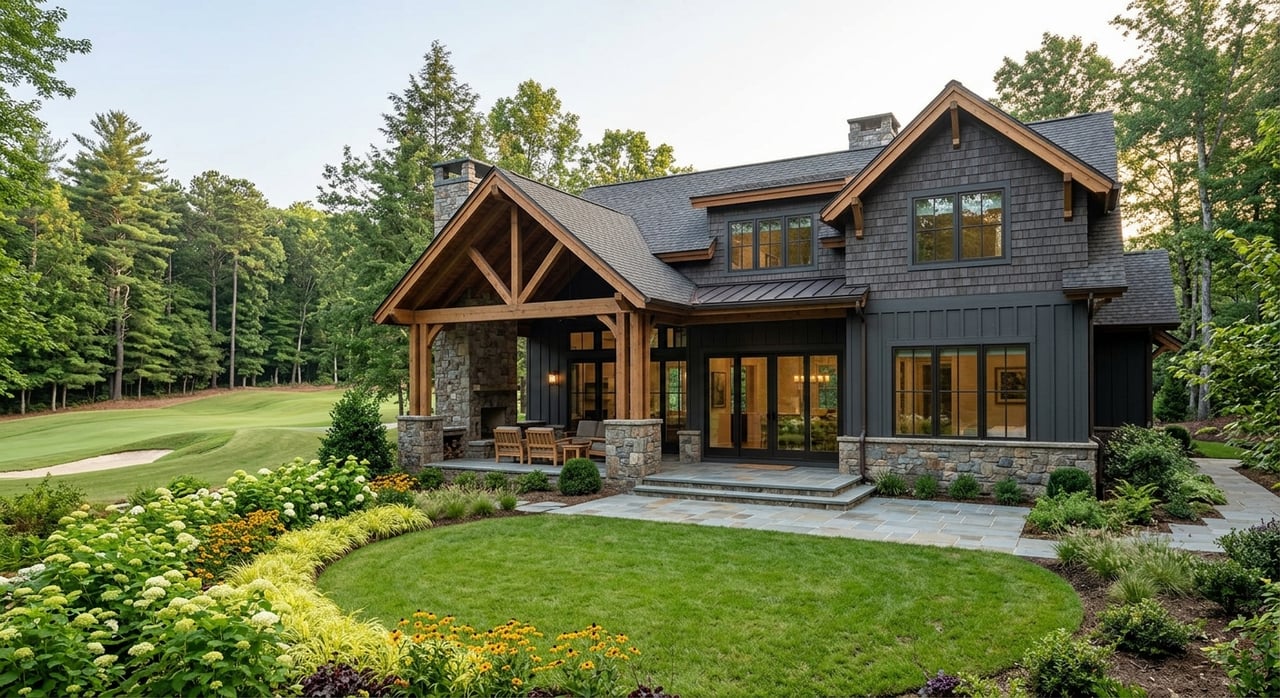
Buying in 2026 around Asheville and Charlotte will still favor well‑located single‑family homes for long‑term stability and appreciation, but condos and townhomes can be the better buy if you value lower maintenance, walkable locations, or need a lower entry price. The “best” option depends on your budget, lifestyle, and how long you plan to hold the property.
Market snapshot: Asheville vs. Charlotte
Asheville remains a higher‑cost, lifestyle‑driven market, with recent median prices in the mid‑$500,000s and a slight dip year‑over‑year, suggesting a more balanced, negotiable environment going into 2026. Charlotte’s metro is larger and more job‑driven, with a median sales price around the low‑$400,000s and modest annual price growth, pointing to continued, steady appreciation rather than big drops.
-
Asheville: Slight softening in prices, more days on market, but still strong demand due to tourism, amenities, and limited buildable land.
-
Charlotte: More new construction, stronger population and job growth, and forecasts of a few percent annual price increases into 2026.
How property types are pricing
In Asheville, recent data show single‑family homes priced a bit below the overall median while condos sit higher, reflecting the premium for downtown and view‑oriented condo living. In Charlotte, condos and townhomes often provide a more affordable way to get into desirable neighborhoods closer to jobs and transit, while single‑family homes command more land value and long‑term family demand.
-
Condos: Often cheaper than houses in Charlotte but can be equal or more per square foot in Asheville’s core.
-
Townhomes: Middle ground—more space than condos with some yard, usually at a discount to detached homes but with HOA fees.
-
Single‑family: Highest absolute cost but strongest long‑term owner‑occupant demand in both metros.
What’s the “better buy” in 2026?
For long‑term living (7–10+ years), single‑family homes are generally the better buy in both markets because they tend to hold and grow value well and give you land, privacy, and flexibility for additions or ADUs where allowed. For shorter horizons (3–7 years) or buyers who prioritize convenience, newer townhomes in growing Charlotte suburbs or well‑run condo buildings in central Asheville or Uptown Charlotte can be smarter, especially if they’re priced below nearby single‑family homes on a per‑square‑foot basis even after HOA fees.
-
In Asheville:
-
Better buy for lifestyle / walkability: condo or townhome near downtown or key amenities, if HOA is solid and short‑term rental rules fit your plans.
-
Better buy for value / space: single‑family in close‑in neighborhoods or nearby Buncombe County communities where prices have softened slightly.
-
-
In Charlotte:
-
Better buy for growth: single‑family in growth corridors and suburban areas tied to new jobs, transit, or schools.
-
Better buy for entry‑level or low maintenance: townhome near employment hubs or future infrastructure projects; condo if the building has strong reserves and restrictions fit your exit strategy.
-
Quick comparison: which fits which buyer?
| Goal / Situation | Asheville best bet 2026 | Charlotte best bet 2026 |
|---|---|---|
| Max long‑term appreciation | Single‑family in stable neighborhoods | Single‑family in growth suburbs |
| Lowest initial price | Smaller condo or townhome farther from downtown | Condo or townhome near employment centers |
| Walkable, lock‑and‑leave living | Downtown condo or townhome | Urban condo or townhome near light rail / center city |
| Least maintenance responsibility | Condo (strong HOA a must) | Condo or townhome (newer communities) |
| Space for family / pets / yard | Single‑family or end‑unit townhome | Single‑family with yard |
How to decide for your situation
To pick the better buy in 2026 for you, focus on five concrete checks:
-
Total monthly cost: Compare mortgage, taxes, insurance, plus HOA fees for condos/townhomes; a “cheaper” condo can cost more per month once HOA is added.
-
Resale demand: Look at days on market and price trends for each type in your target ZIPs—faster turnover usually signals safer resale.
-
Rules and restrictions: Review HOA covenants carefully, especially for renting rules, pets, parking, and future special assessments.
-
Time horizon: If you might move in under 5 years, prioritize liquidity and lower transaction risk (often favoring townhomes/condos in very central, high‑demand spots).
-
Lifestyle fit: Be honest about whether you want to maintain a yard, care about noise from shared walls, or need private outdoor space.